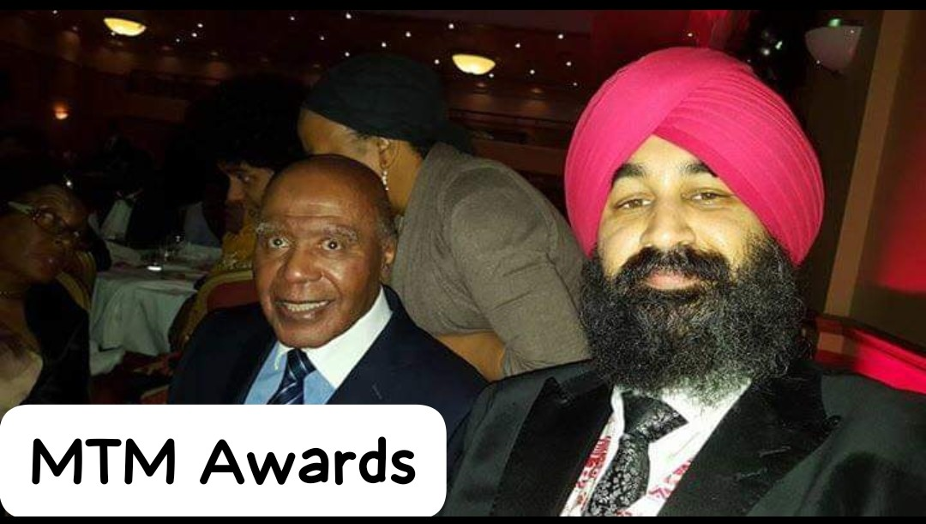
What black history month means to me by Chaz
Black History Month occurs every year and it gives me an opportunity to write about the way history has been shaped by […]
Black History Month occurs every year and it gives me an opportunity to write about the way history has been shaped by certain people and the impact of those struggles still impact the way we accept change and the way we challenge.
When we think of civil rights movements that changed the course of history, names like Rosa Parks and Martin Luther King Jr. immediately come to mind. But Britain had its own pivotal civil rights watershed—one sparked right in the heart of the city of Bristol in 1963.
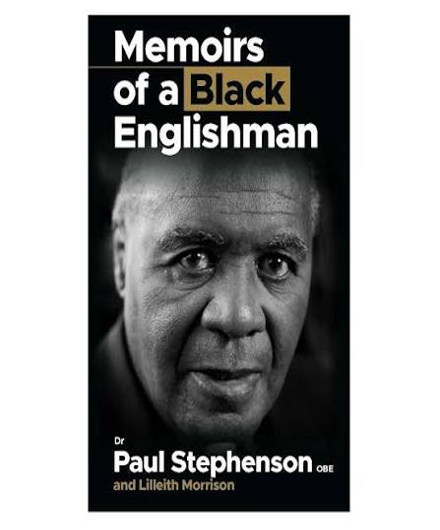
At the centre of that movement was Paul Stephenson OBE, a youth worker and activist whose autobiography, Memoirs of a Black Englishman, details the incredible true story of how a stand against local discrimination paved the way for Britain’s first Race Relations Act. A book that sits on my bookshelf to remind me of the struggles by people who allow us to live today with respect, dignity, honour, and pride.
In 1963, the Bristol Omnibus Company operated a strict, unwritten “colour bar” that explicitly refused to employ Black or Asian crews as drivers or conductors despite facing a severe labour shortage.
When Stephenson arranged a job interview for Guy Bailey, a qualified young Black warehouse worker, the company cancelled it the moment they discovered Bailey’s race.
Refusing to let the injustice pass silently, Stephenson—along with fellow activists Roy Hackett, Owen Henry, Audley Evans, and Prince Brown organised what would become the Bristol Bus Boycott.
Inspired directly by the Montgomery Bus Boycott in the United States, the campaign mobilized Bristol’s West Indian community to refuse to ride the buses. University students rallied in support, and high-profile politicians took notice.
After weeks of relentless pressure, the bus company backed down on August 28, 1963, the very same day Martin Luther King Jr. delivered his iconic “I Have a Dream” speech in Washington, D.C. The following month, Raghbir Singh became Bristol’s first non-white bus conductor.
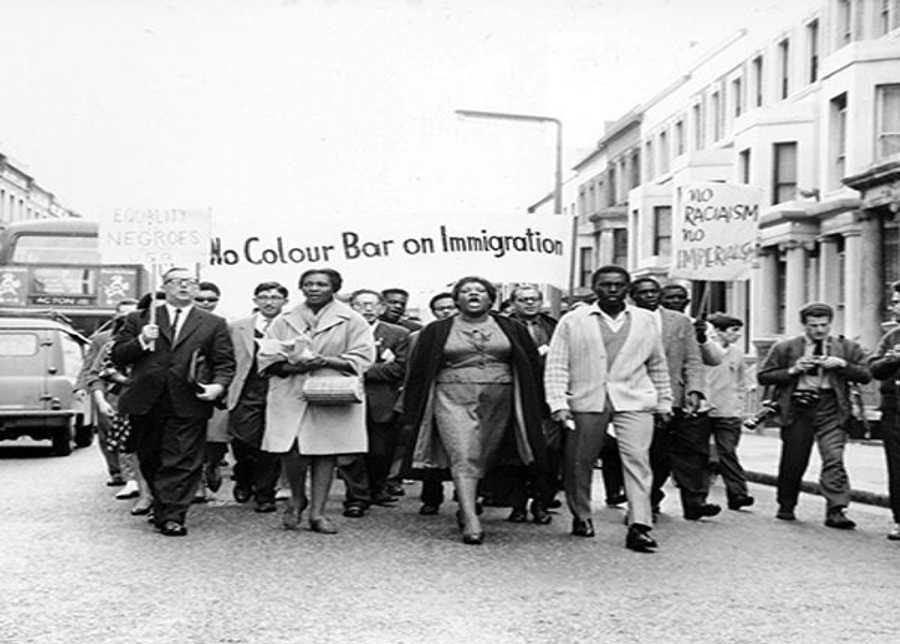
More importantly, the sheer impact of the boycott proved to Parliament that institutional discrimination required legal intervention, leading directly to the passage of the landmark Race Relations Acts of 1965 and 1968.
In Memoirs of a Black Englishman, Stephenson provides a deeply personal, grounded account of growing up Black in wartime Britain, navigating post-war racial tensions, and standing up against open prejudice.
For me, his writing offers far more than a history lesson, Stephenson’s story offers a powerful lesson in grassroots mobilisation, showing how ordinary citizens, united by solidarity and conviction, were able to challenge and ultimately force a major municipal corporation to change its practices. It also provides a more nuanced understanding of British history, challenging the misconception that racial segregation and civil rights struggles were solely American experiences. Stephenson’s courage extended beyond the bus boycott; he was later arrested after refusing to leave a pub that denied service to Black patrons. This act of resistance helped galvanise wider support for the fight against racial discrimination and contributed to the growing momentum for anti-discrimination legislation in Britain.
Paul Stephenson’s story is a vital piece of modern history. Reading his memoir serves as a timely reminder that progress is never given freely it is built by those brave enough to demand it.
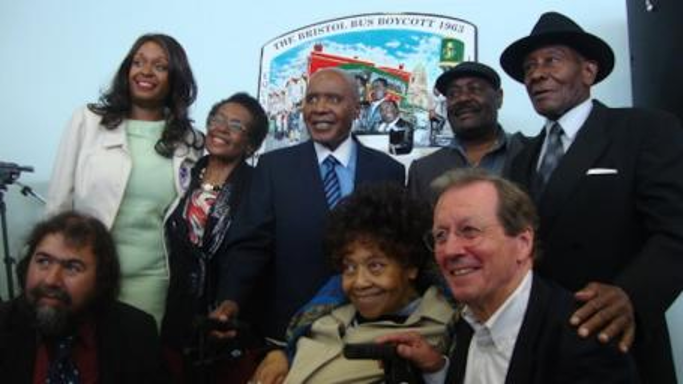
If you are in Bristol, during Black History Month take a moment to visit the plaque at Bristol Bus & Coach station, a 15-minute walk from the Ara Office
His book is available on Amazon – https://www.amazon.co.uk/Paul-Stephenson-OBE-Memoirs-Englishman/dp/1906477396
Paul’s quote, “You cannot have true racial harmony without racial justice. So, you need to be disruptive,” stands out because it challenges the idea that racial harmony simply means everyone getting along. It highlights that genuine harmony requires us to recognise and address inequality and discrimination, even when doing so may feel uncomfortable or disruptive
Paul Stephenson. OBE